

Planting Seeds of Health
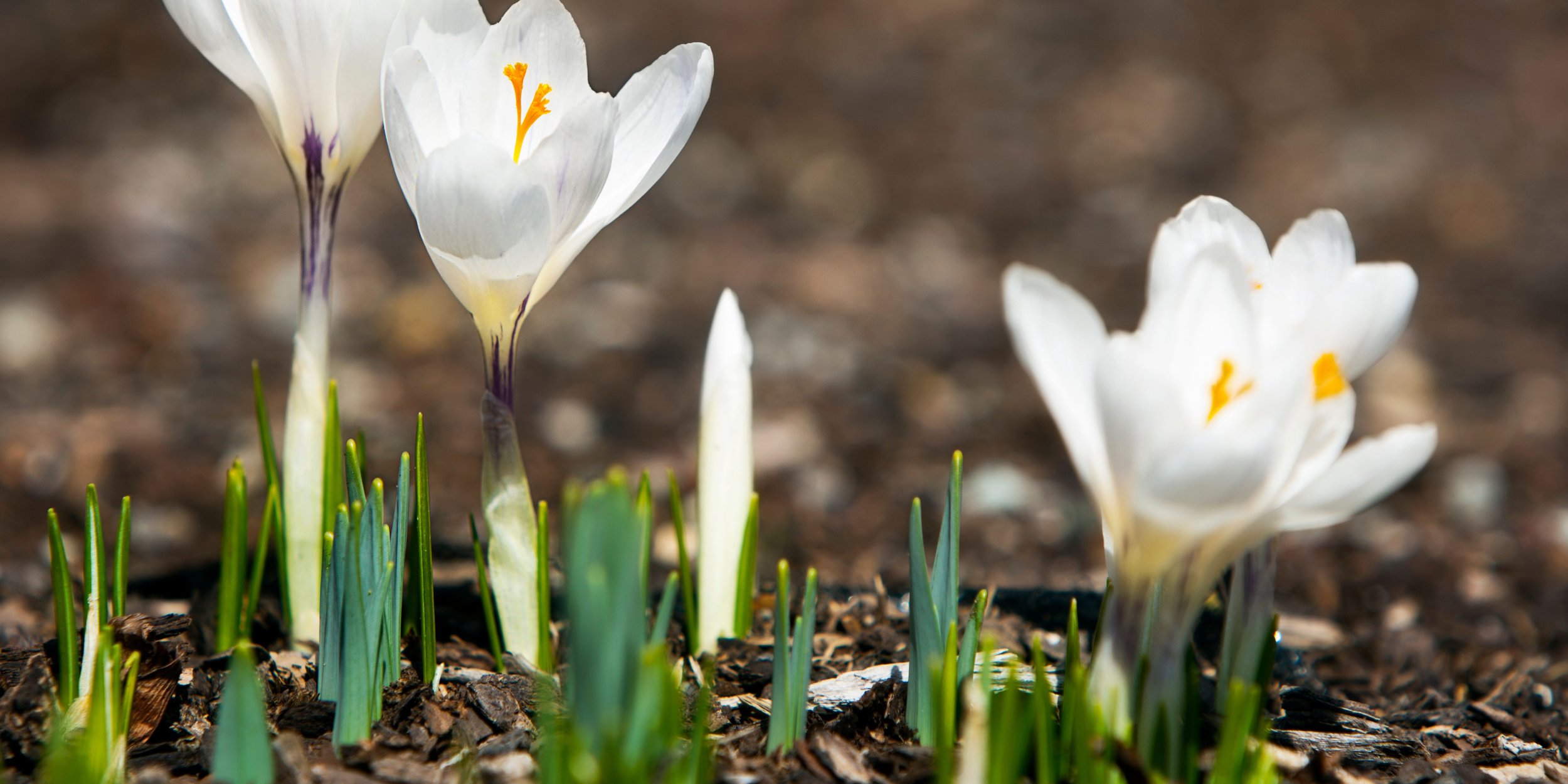
March sits quietly between seasons. Winter has not fully let go, and spring has not fully arrived. The days are slowly getting longer, the air begins to soften, and nature prepares for growth. Beneath the surface, seeds are gathering energy before they break through the soil.
Our bodies move through a similar transition.
After the slower rhythms of winter, it is natural to feel a mix of anticipation and fatigue. Seasonal shifts require he body to adapt, adjusting to changes in light exposure, temperature, activity levels, and daily routines. During this time, resilience can feel lower, energy can fluctuate, and emotions may feel more sensitive.
Rather than pushing ourselves to immediately “spring forward”, this transition is an invitation to plant the seeds that will support our health in the months ahead.
Just as a garden foes not flourish overnight, resilience grows from small, consistent habits that nurture the nervous system, hormones, and metabolism over time.
Understanding Resilience in the Body
Resilience is often described as the ability to “handle stress”, but biologically it means something more nuanced. It is the body’s capacity to adapt and return to balance after change.
This process involves several systems working together: the nervous system, the adrenal response to stress, immune function, and hormonal rhythms. When these systems feel supported, we move through stress with greater flexibility. When they are depleted, even small demands can feel overwhelming.
Seasonal transitions place additional demands on this adaptive system. Supporting the body during this time can help stabilize mood, energy, sleep, and immune function.
Planting the Seeds of Daily Rhythm
One of the most powerful ways to support resilience is through consistent daily rhythms. The body’s internal clock, known as the circadian rhythm, regulates hormones such as cortisol and melatonin, which influence energy, sleep, and stress tolerance.
Small daily practices can help strengthen these rhythms:
Morning light exposure: spending a few minutes outside in natural light shortly after waking helps regulate circadian signals, support healthy cortisol patterns and vitamin D levels.
Consistent sleep times: going to bed and waking at similar times each day gives the nervous system predictability and stability.
Gentle morning routines: starting the day slowly, rather than rushing immediately into stress, helps the body transition into wakefulness more smoothly.
These simple habits act like sunlight and water for the body’s internal garden.

Nourishing the Body with Warm, Grounding Foods
While spring eventually invites lighter meals and fresh greens, early spring often still benefits from the grounding nourishment of winter.
Warm, cooked foods are easier to digest and can support metabolic stability while the body adapts to seasonal change. Soups, stews, roasted vegetables, whole grains, and nourishing broths provide steady energy and help maintain blood sugar balance.
Including protein, healthy fats, and fiber at meals also supports hormone stability and sustained energy throughout the day.
Nutrition during transitional seasons is less about restriction and more about consistent nourishment.
Slowing Down Before Growth
In nature, growth follows a period of preparation. Seeds do not sprout the moment the snow melts ; they first gather the conditions necessary for life.
Similarly, our bodies benefit from a gradual transition into new rhythms.
Spring often carries cultural pressure to become productive, start new routines, or overhaul our habits. But resilience grows best when change is gentle and sustainable.
Practices that support this transition may include:
Spending time outdoors and reconnecting with natural rhythms
Gentle movement such as walking, stretching, or yoga
Pausing for moments of quiet or reflection during the day
Creating small rituals that bring calm and grounding
These practices allow the nervous system to remain regulated as we move into a new season.
Resilience is not built through one dramatic change. It is cultivated through the steady accumulation of supportive habits.
A few minutes of morning light
A nourishing meal
An earlier bedtime
A walk outside
Over time, these small seeds grow into stronger stress tolerance, better sleep, improved energy, and a deeper sense of balance.
As the seasons shift, consider what seeds you would like to plant in your own life. The habits you begin now, even the smallest ones, have the potential to support your health throughout the months ahead.
Spring does not ask us to rush
It invites us to prepare, nurture, and grow at the pace of nature.